Slow Going
Slow Going is an intermedia exhibition treating pace and its vicissitudes. Works are presented in a manner inspired by music, particularly by the musical symphony. In the same way that a symphony carries its listener through an arc of emotional intensity, relying heavily on the modulation and development of its pace, Slow Going attempts to invoke pace—more broadly, time experience—in its viewers as they proceed through its contents. To quote a passage from Roger Scruton's The Aesthetics of Music regarding the intentional experience of music:
"Tension is not a property of sound waves: it emerges only when sounds are organized, by an intentional act, as music…The unfolding of a progression or phrase may be heard as falling away, as striving towards some goal, as coming to rest, rising, skipping, hesitating, lurching, and so on." (Scruton, 19)
In an exhibition treating time-experience, these properties are what Slow Going hopes to reproduce, albeit in a different medium. Viewers are meant to proceed through the Movements (the exhibition's sections) with an awareness of pace: just as important as the works' qualities treated in isolation is their arrangement in a temporally-sensitive sequence. Their significance in Slow Going springs from the sequence of and relationships between the displayed works.
Within each movement, the viewer's attention should be guided, at least in part, by accompanying text describing the works and their place in the sequence. The result, ideally, is a symphonic experience: one where pace is treated as a variable to be manipulated in order to invoke specific experiences in the viewer.
Movement 1: Prelude
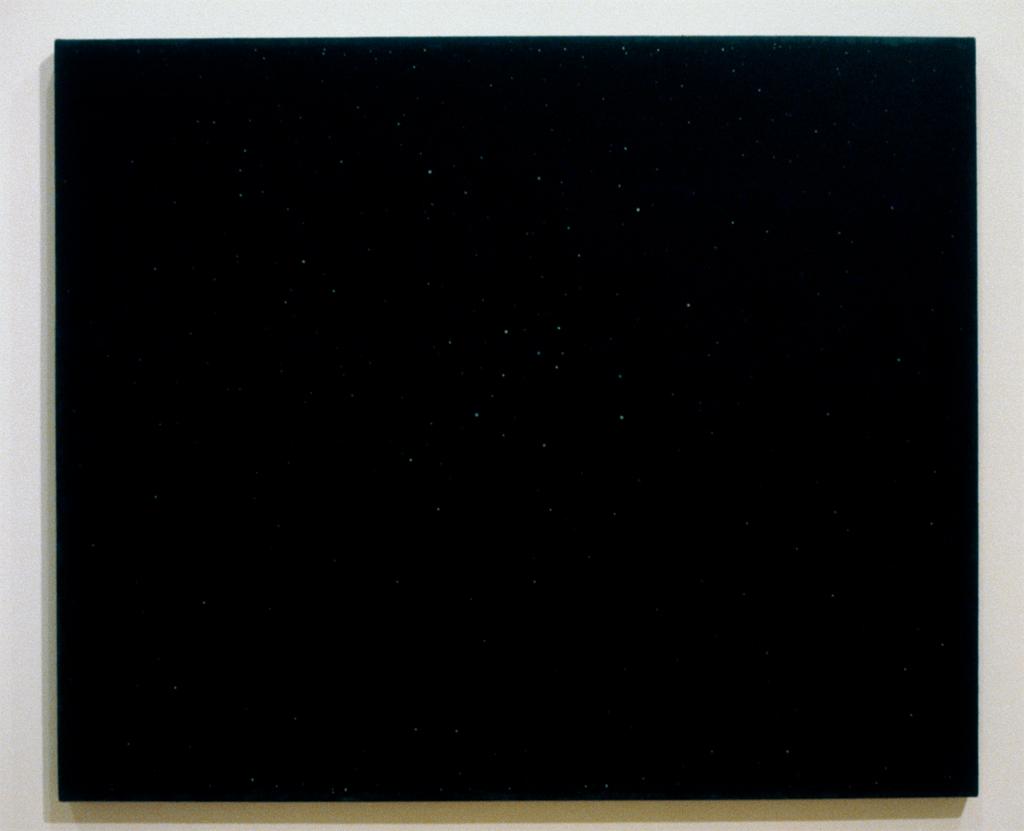
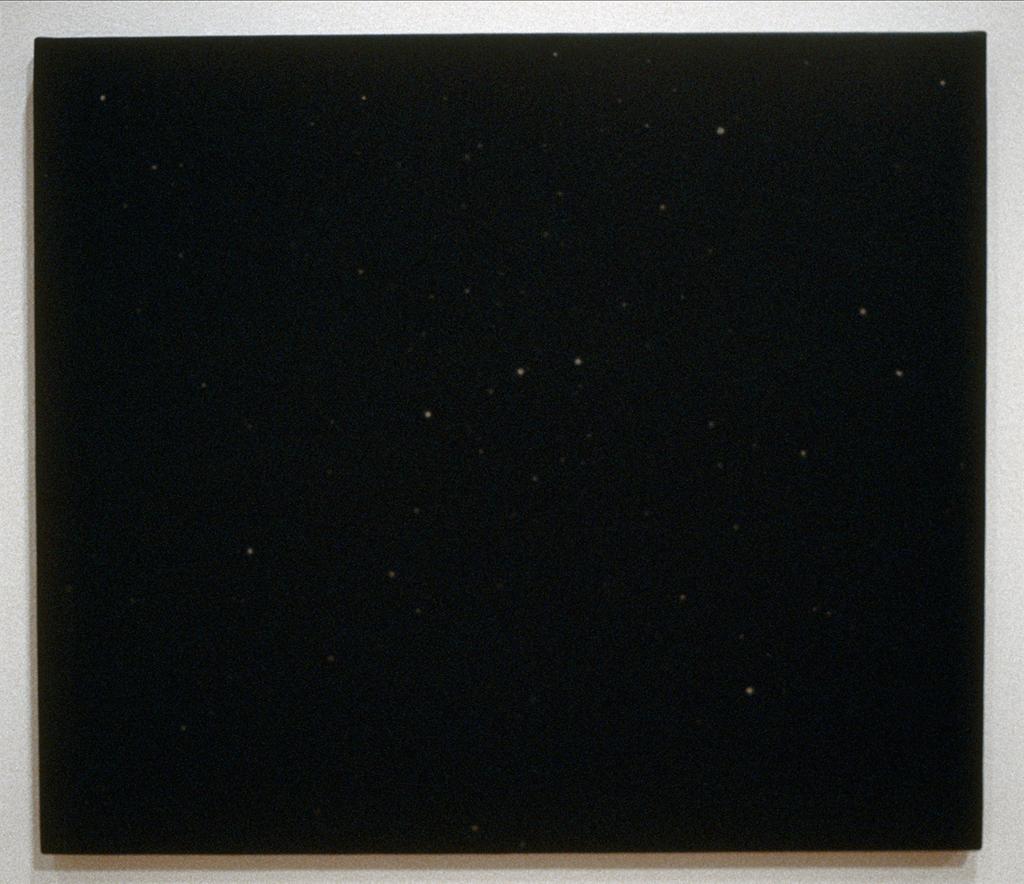
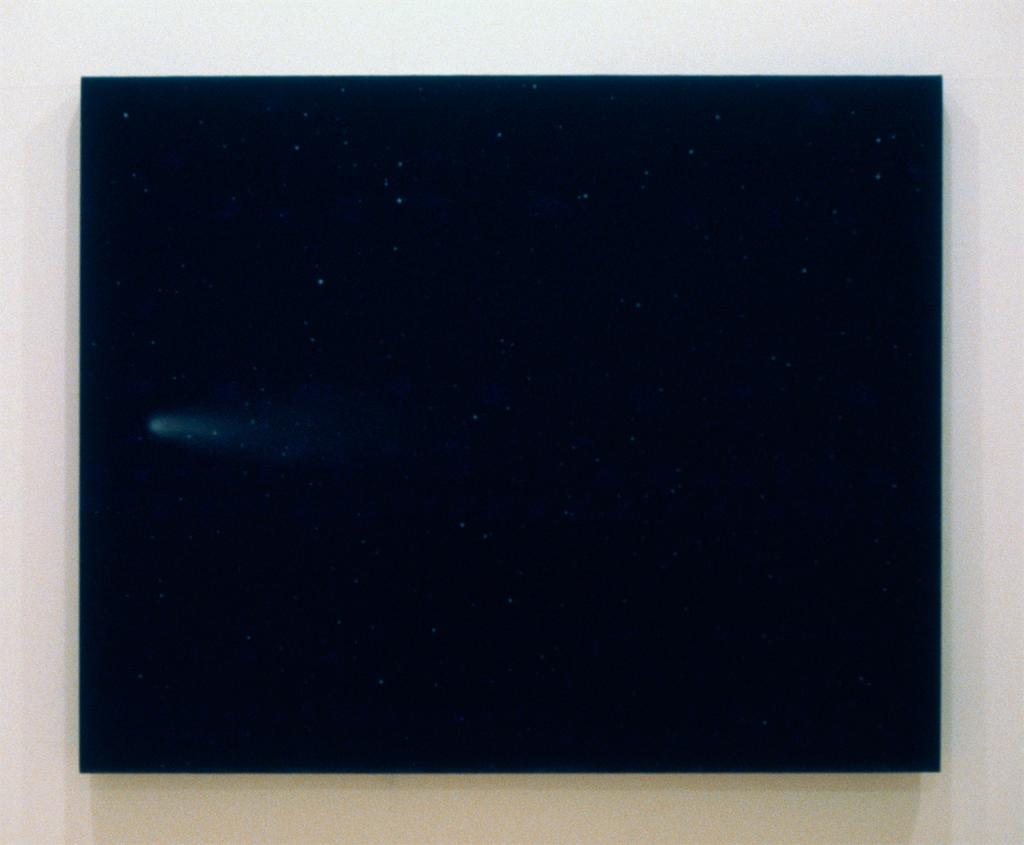
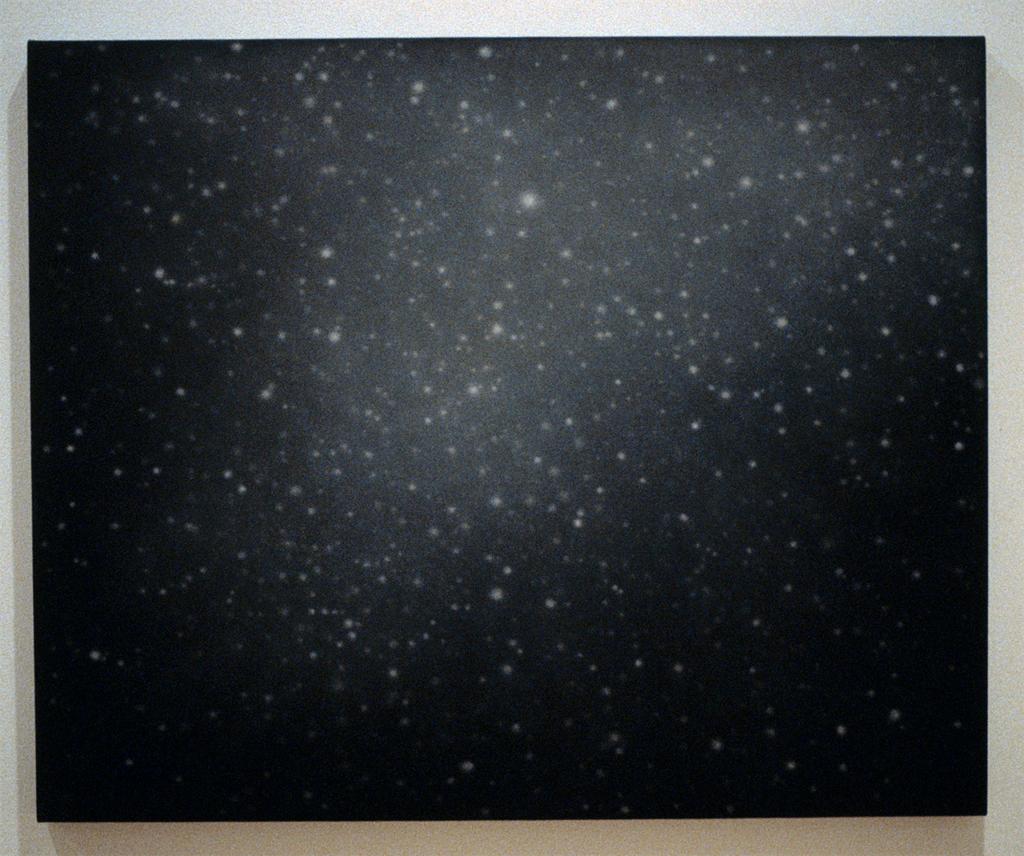
A slow introduction emphasizing mystery and exploration. Working from nothingness to something, Vija Celmins' Night Sky prints provide a placeless, ambiguous beginning to Slow Going. As the movement progresses, musicality and tonality of pace first comes through Night Sky #9, prefiguring; foreshadowing the explosion of form present in #16 that allows the construction of Movement Two.
Movement 2: Quiet
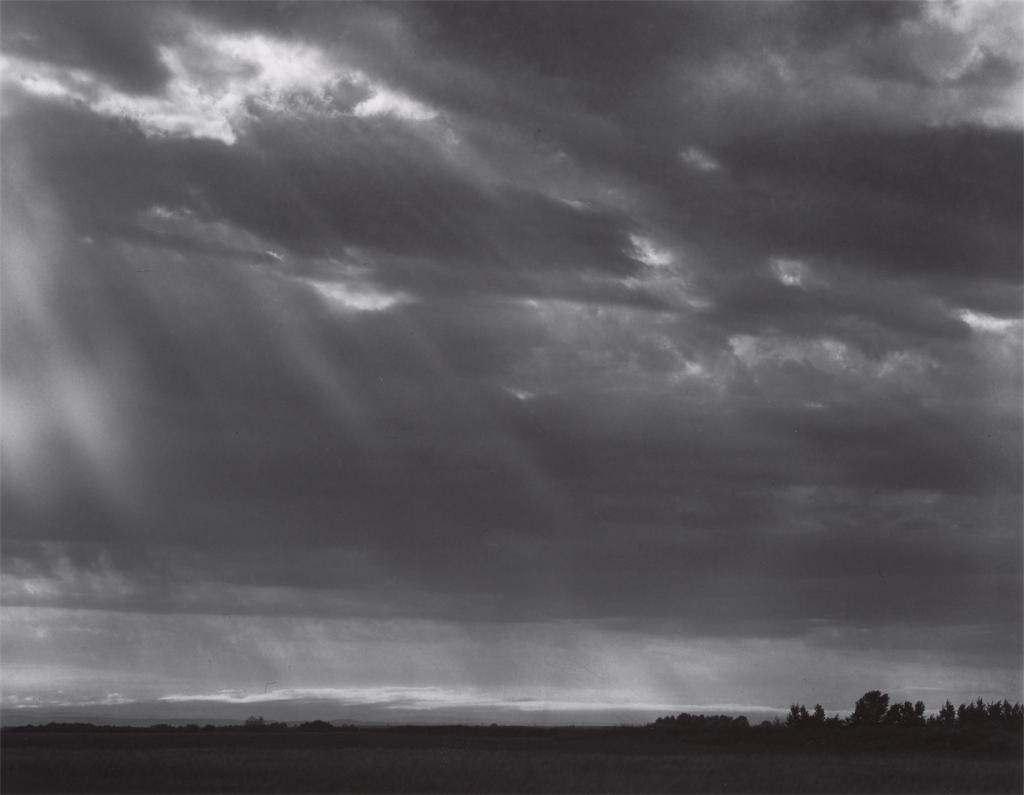
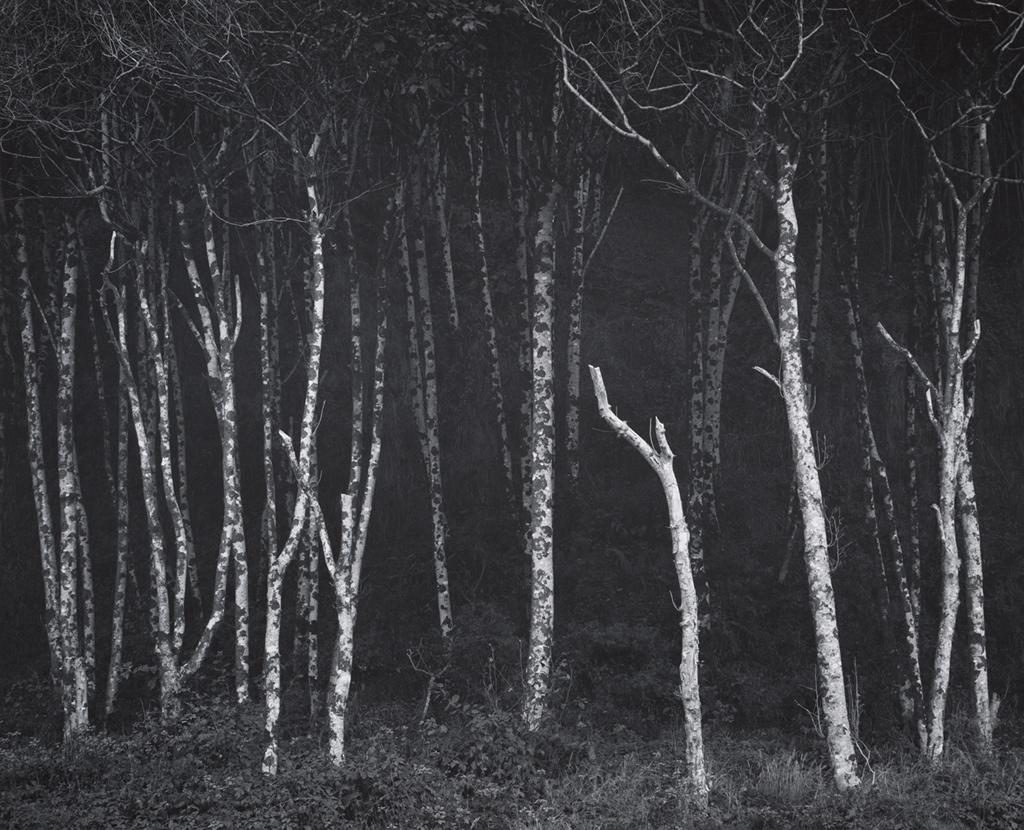
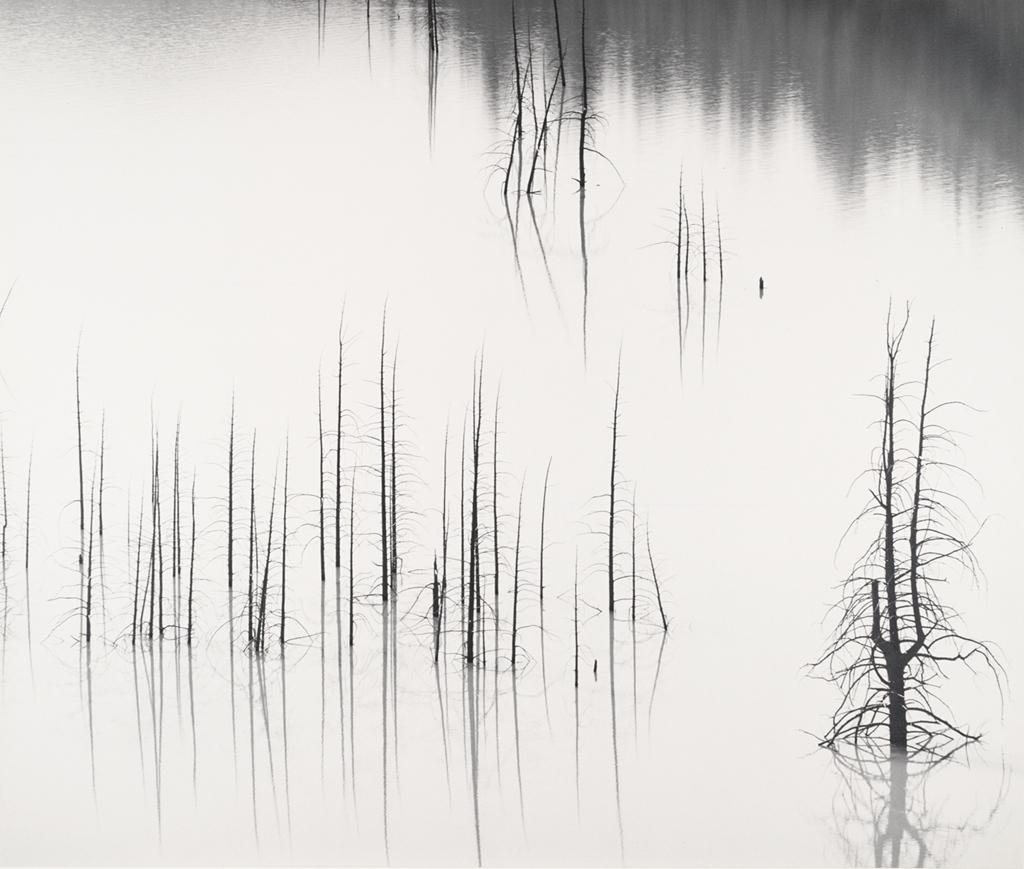
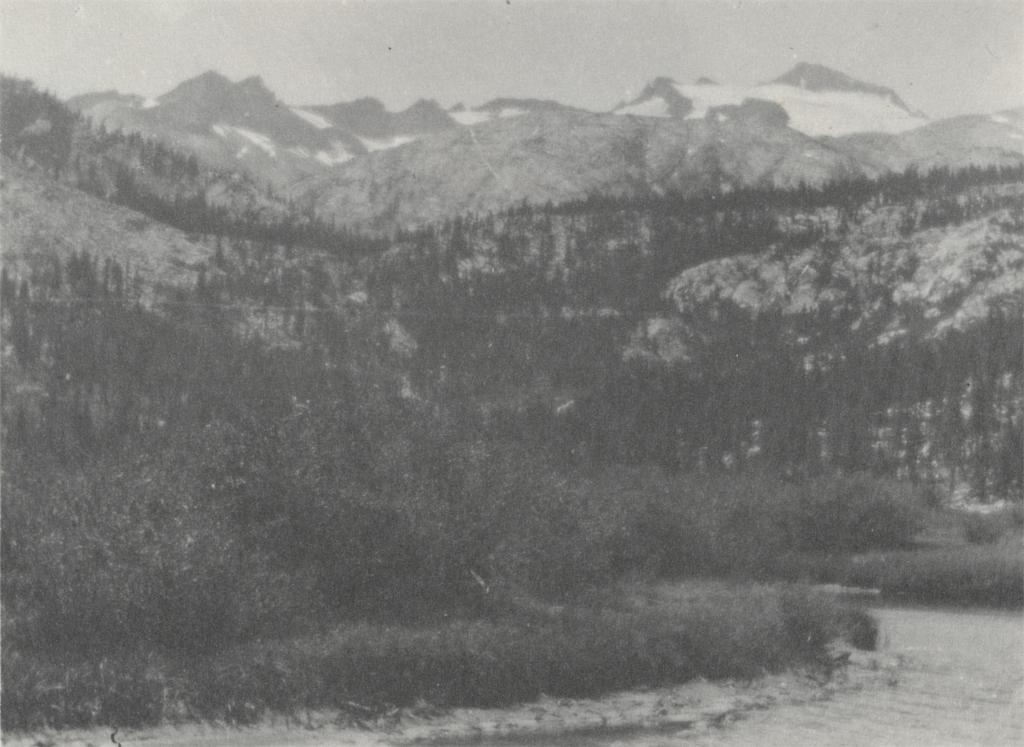
Early photographs of natural landscapes by Ansel Adams. Establishes recognizable forms and pulls the narrative of Slow Going into a solidified world, inhabiting tangible subjects with the previously-formless invocations of pace (and its lack) as in the Night Skies. Quietude and reflection, characteristic of a slow-paced work, are evoked in the grandeur-imbued stillness of Alders, Submerged Trees, and Mt. Lyell.
Movement 3: Motion
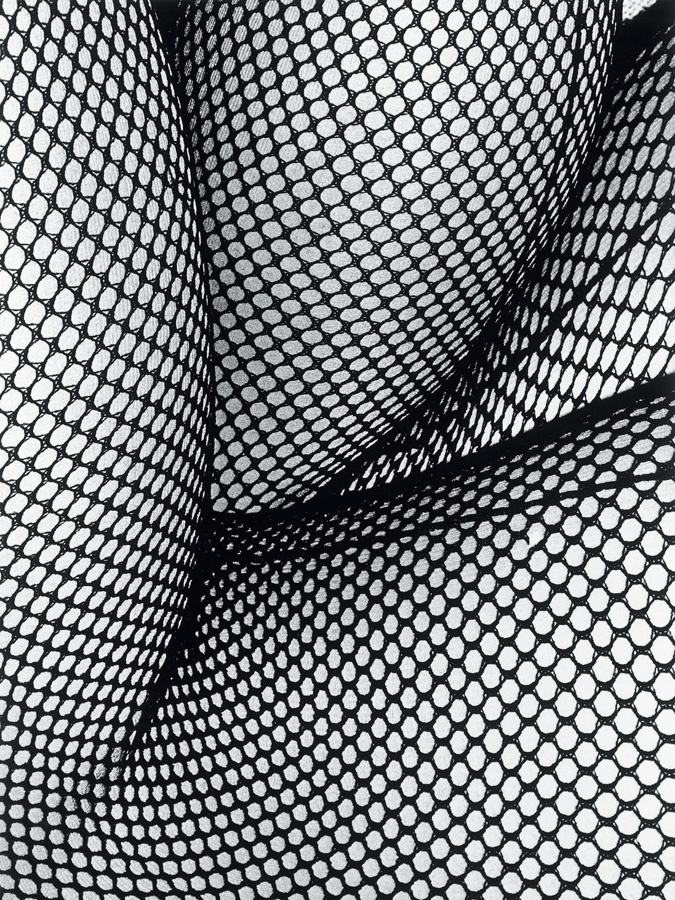
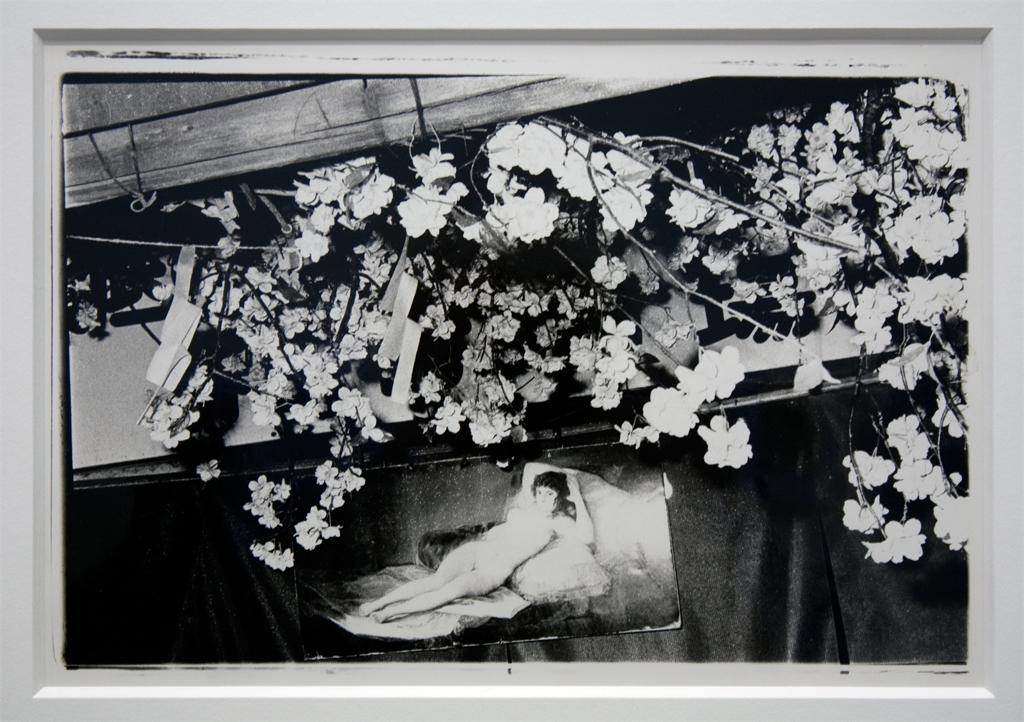
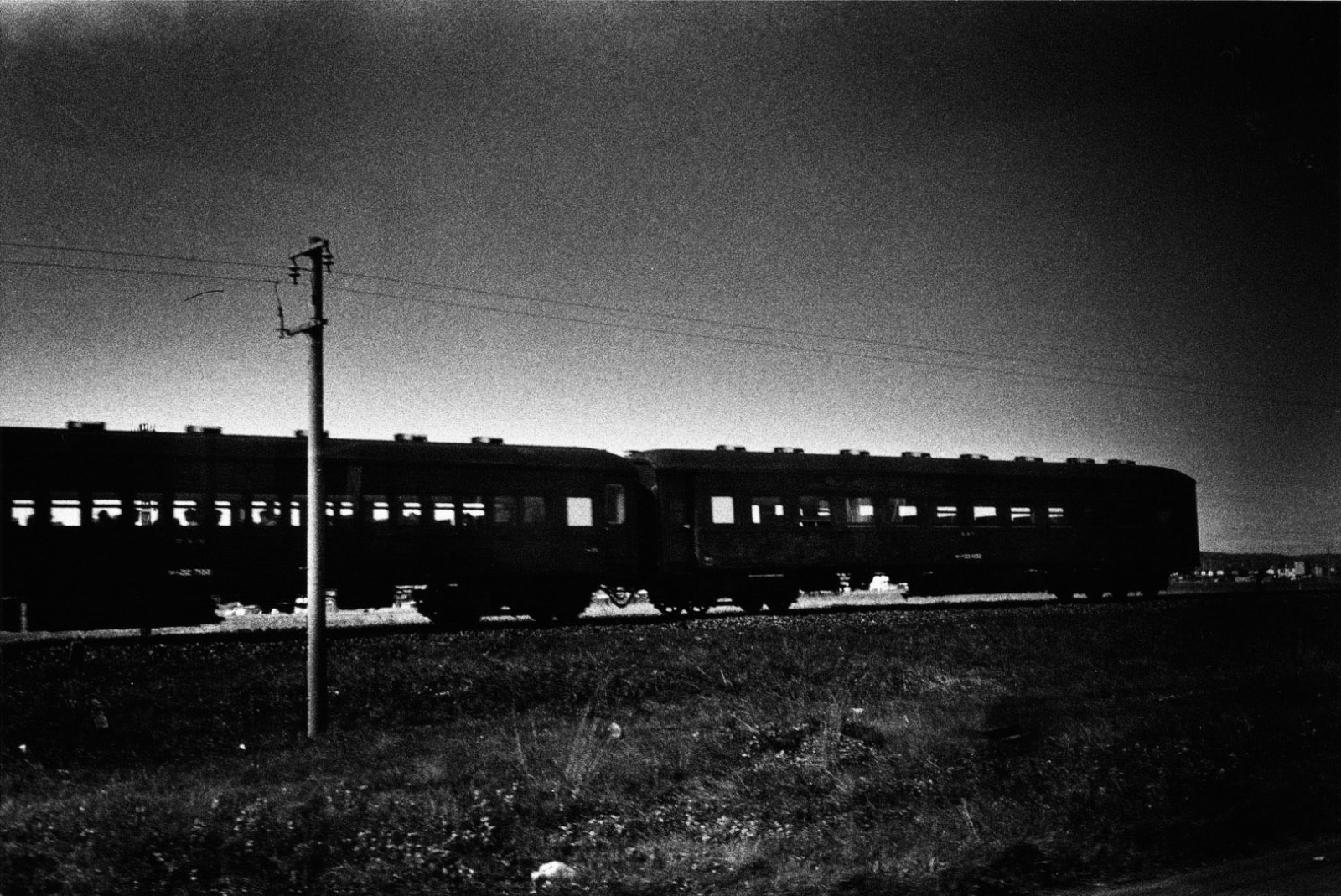
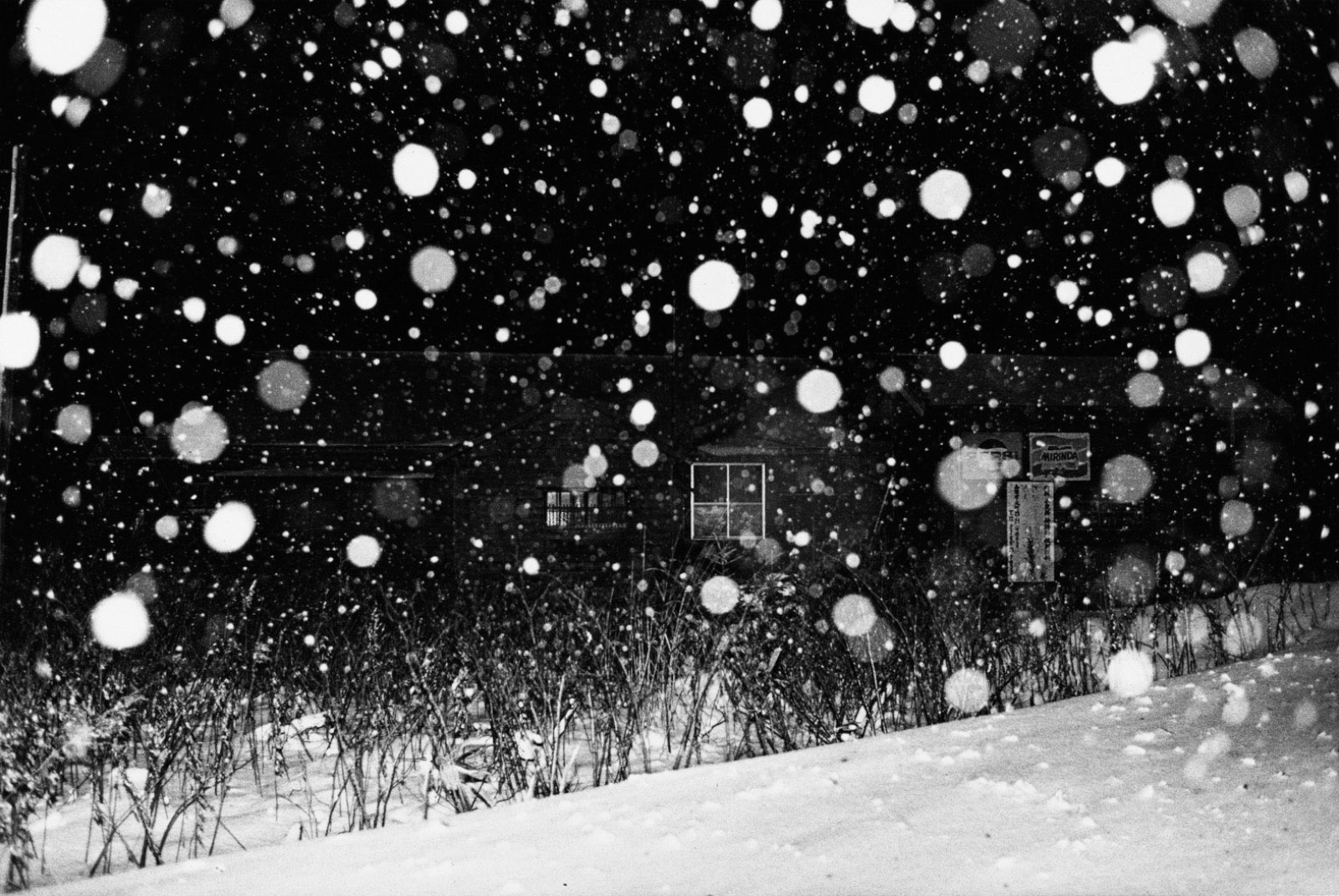
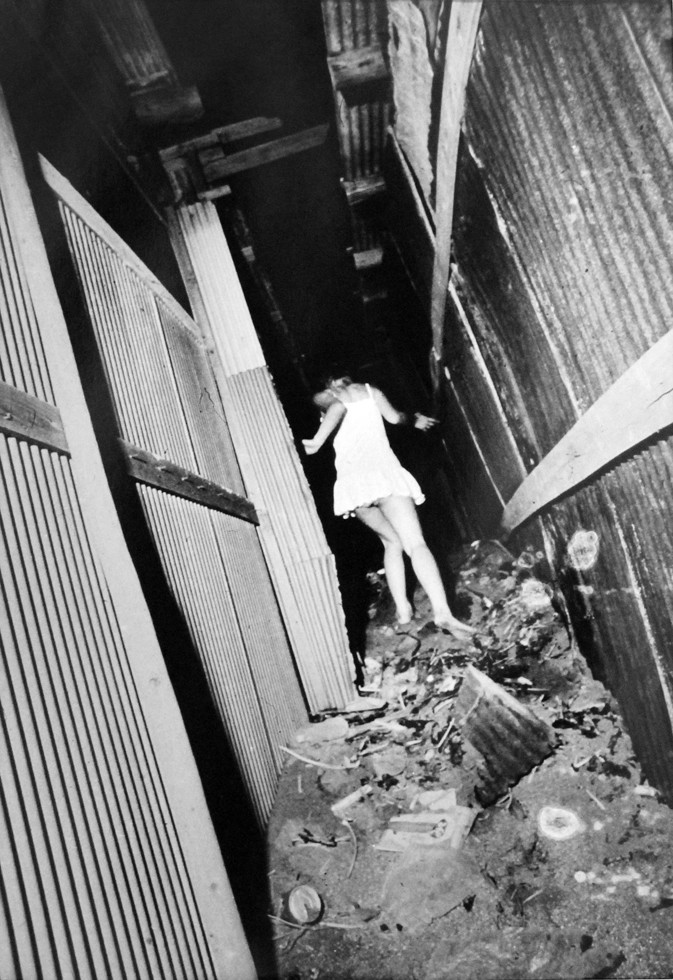
Daido Moriyama photography. Human forms and manmade systems are introduced, vanquishing the pristine beauty of preceding movements and creating, finally, a sense of destination, of artificial teleology, that trounces the quietude of Movement 2.
Movement 4: Attack
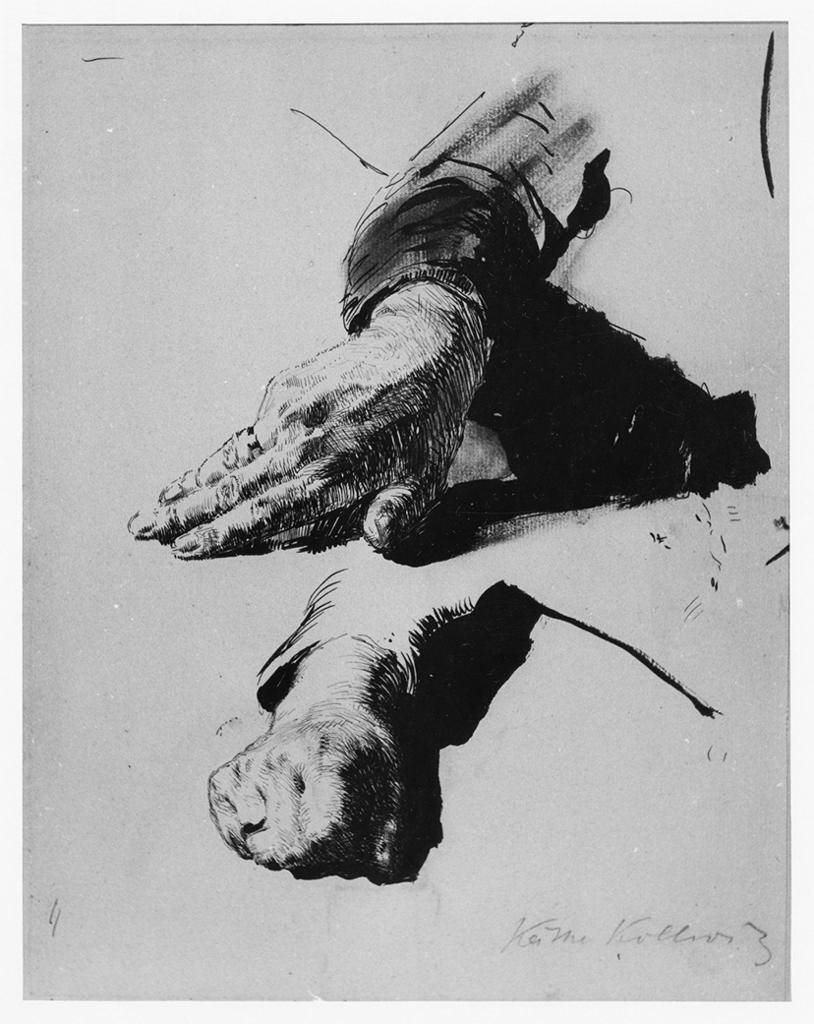
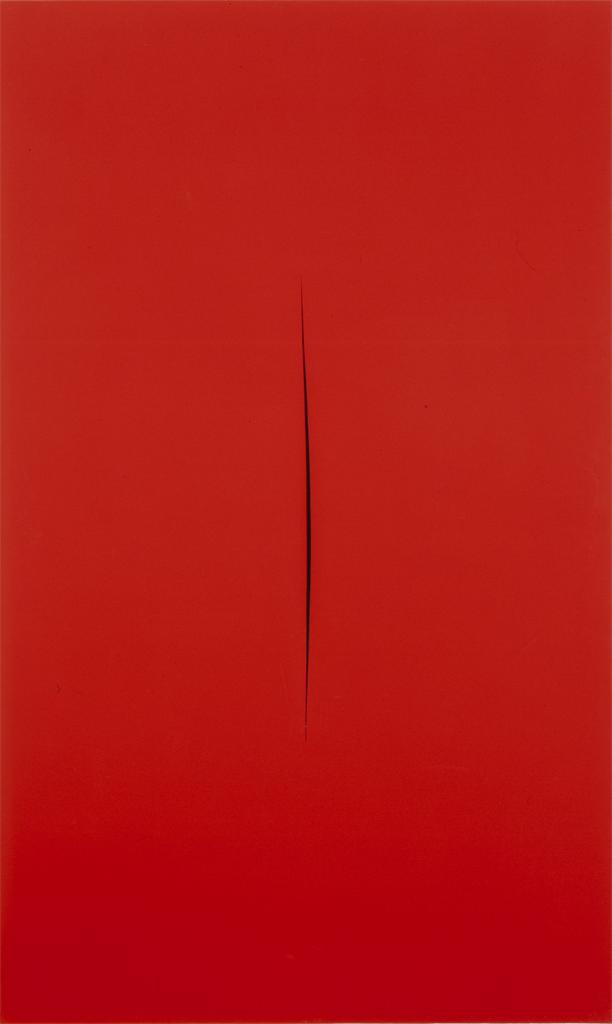
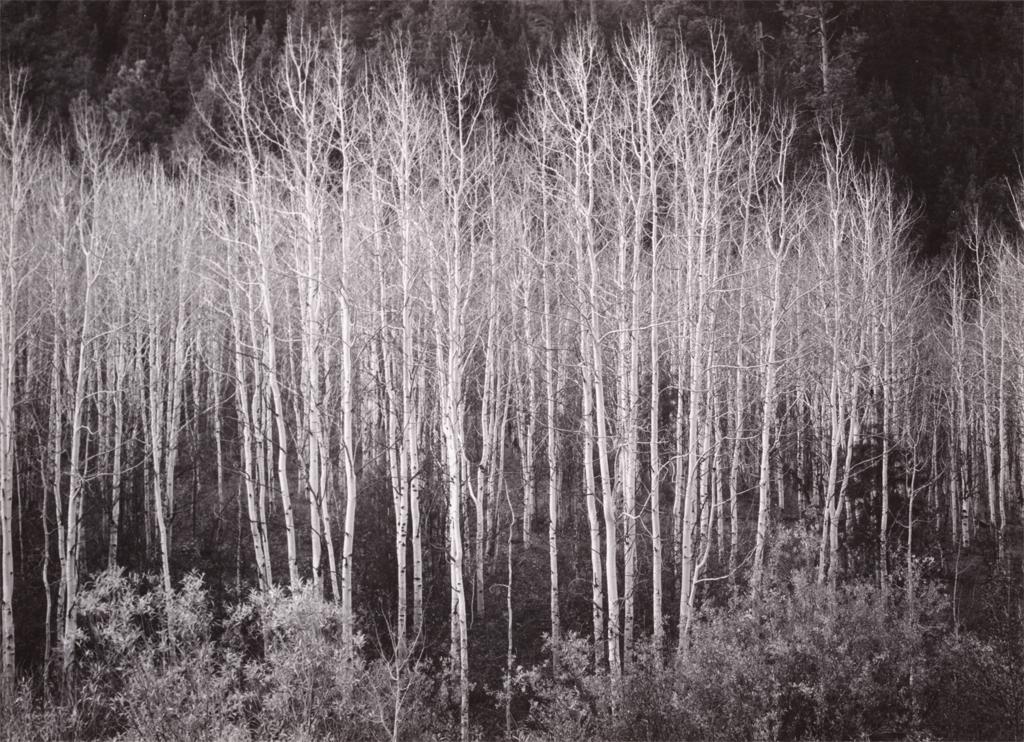
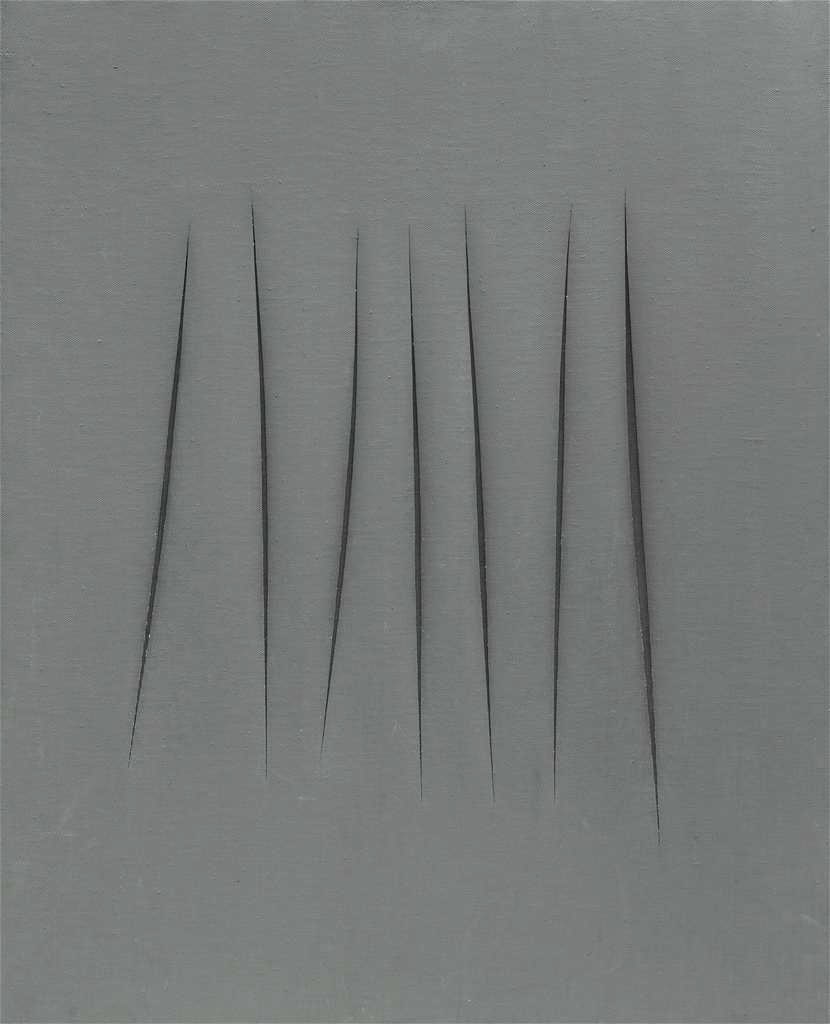
First movement with works by multiple artists and with color. A study by Käthe Kollwitz containing its own narrative of ferocity (a relaxed hand clenching—in anger?) carries Slow Going into its first Movement of rapid pace. Lucio Fontana's slashed-canvas Spatial Concepts (1962; 1965) provide another angle of attack, while the reintroduction of Ansel Adams' landscapes points to rapidity of pace (excitability) featuring even in nature.
Movement 5: Rest
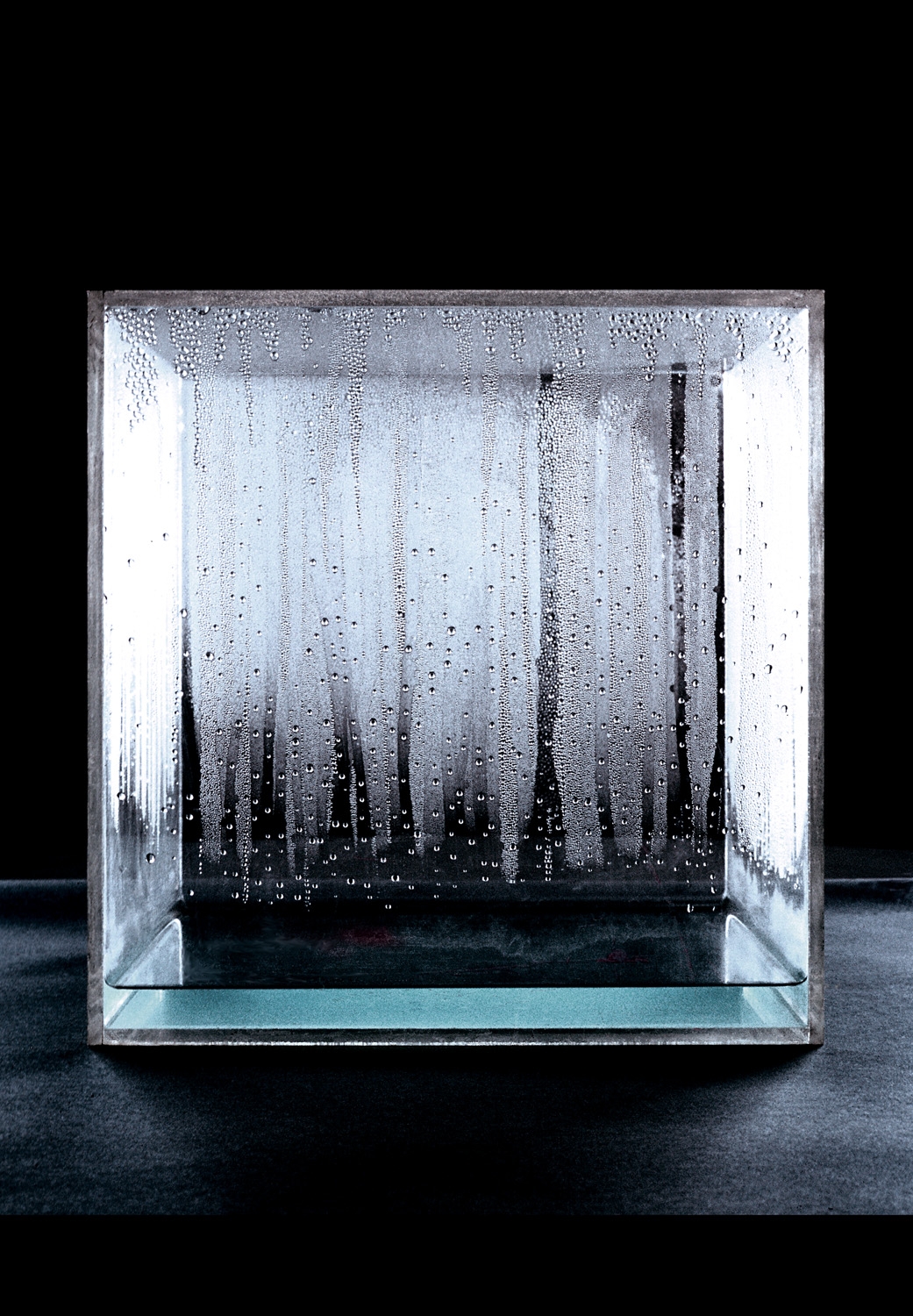
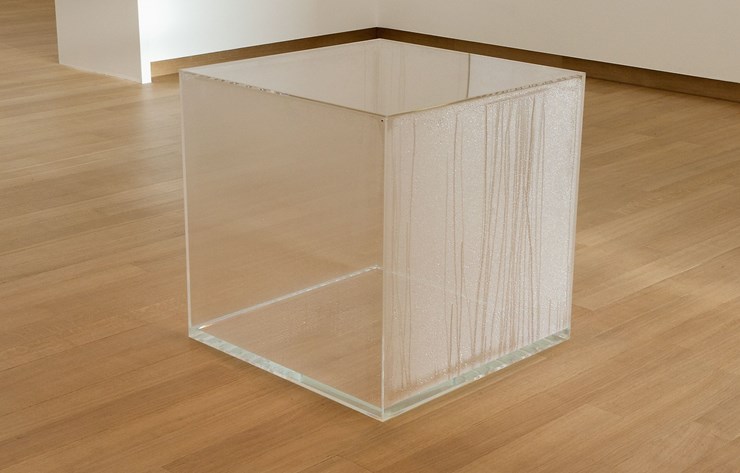
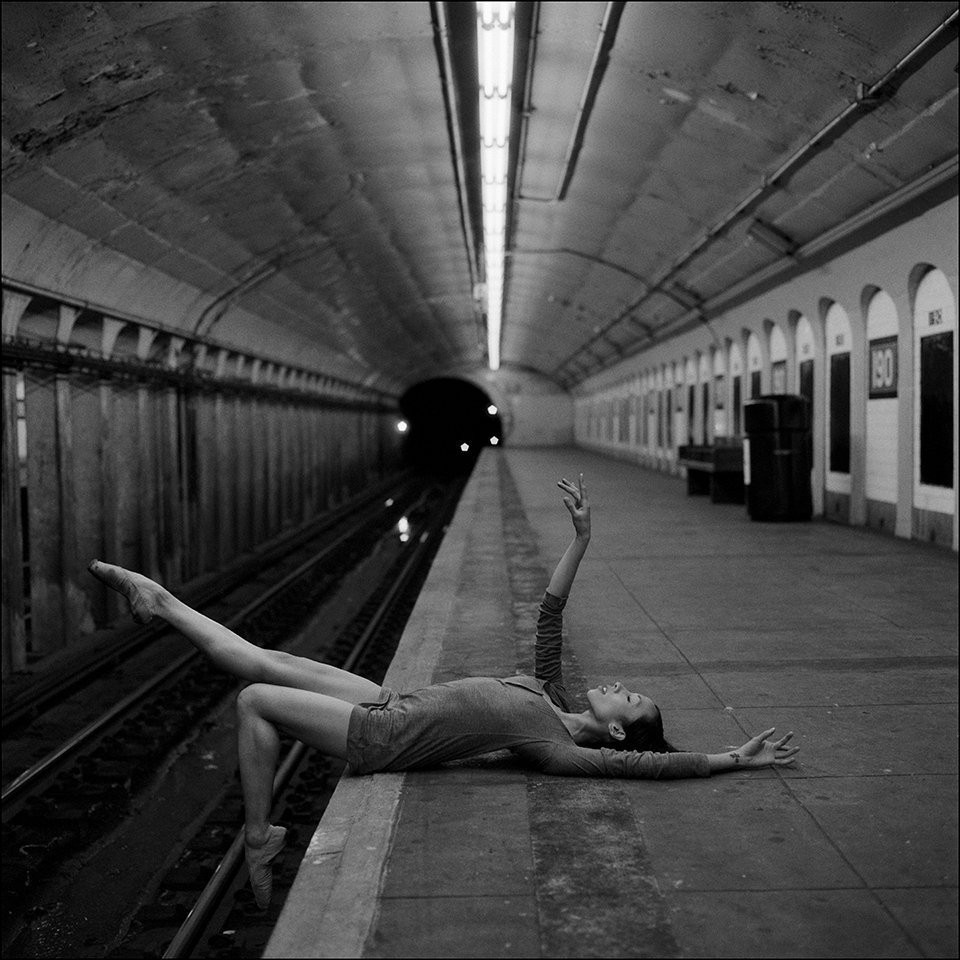
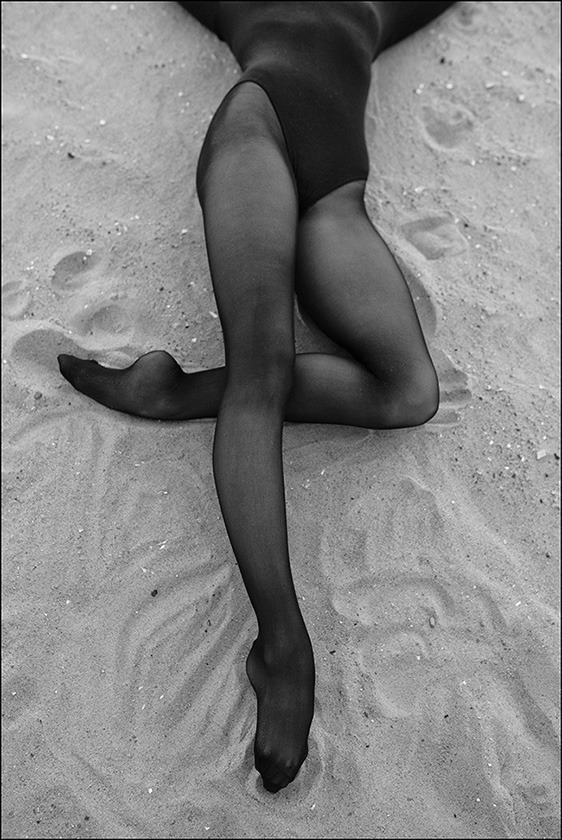
A sculpture-centric respite from the rapidity of Movement 4; a return to unhurried pacing. Hans Haacke's Condensation Cube provides nature-inspired, quiet, slow-going centerpiece, flanked by two measured selections from Dane Shitagi's Ballerina Project. A precedent-defying union between two different brands of stillness, one human and one natural.
Movement 6: Sprint
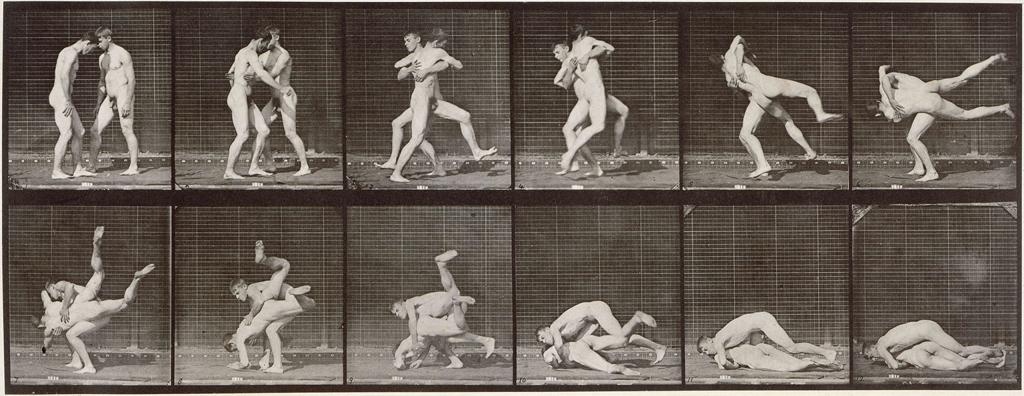
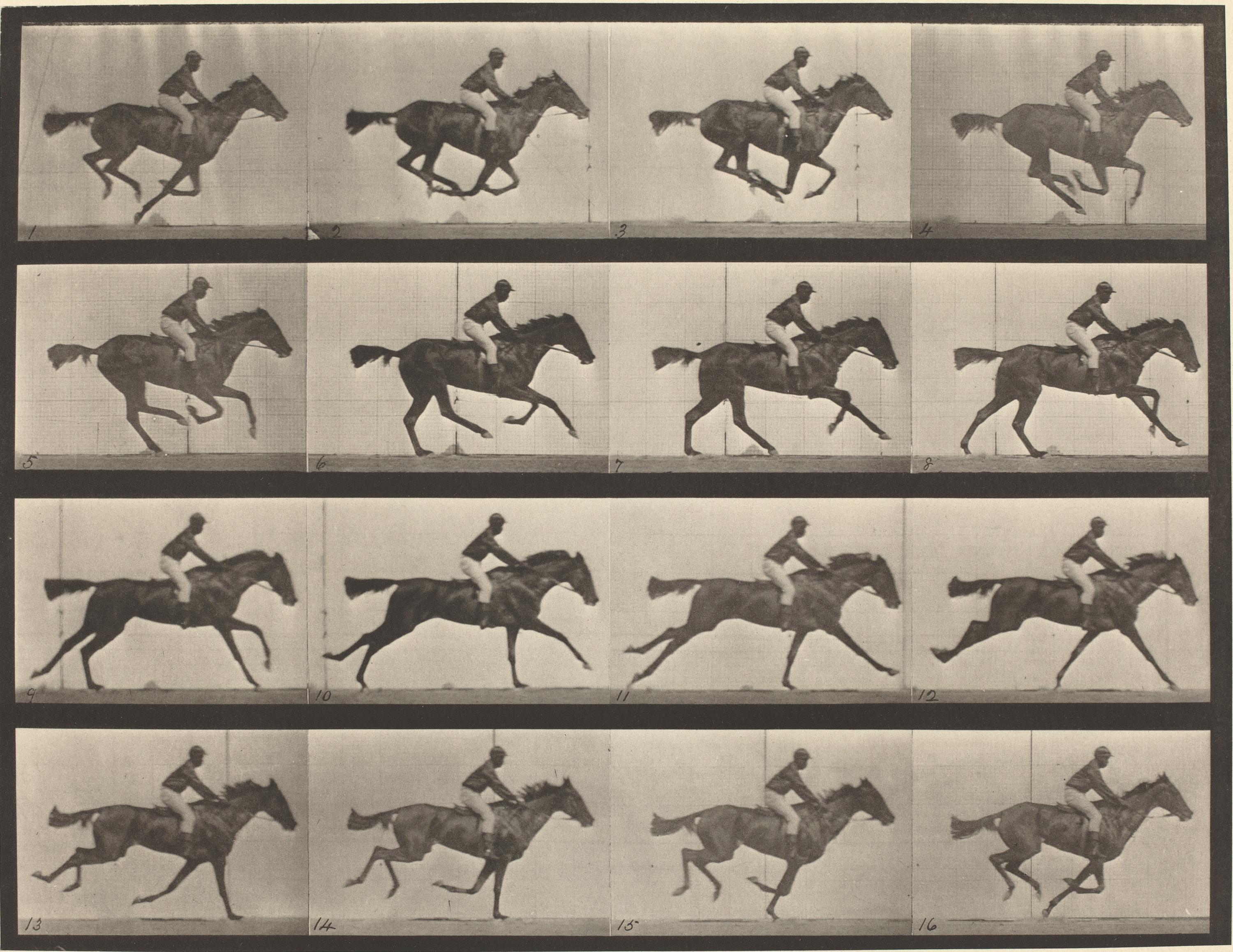
A race to the finish line, with Eadweard Muybridge's famous photographic studies Animal Locomotion providing clear representation of a markedly increased pace. Plates from Animal Locomotion are interspersed with hyperactive Moriyama stills, tying Movement 6 into previous Movements in spite of its distinct, fast-moving character.
Movement 7: Crescendo
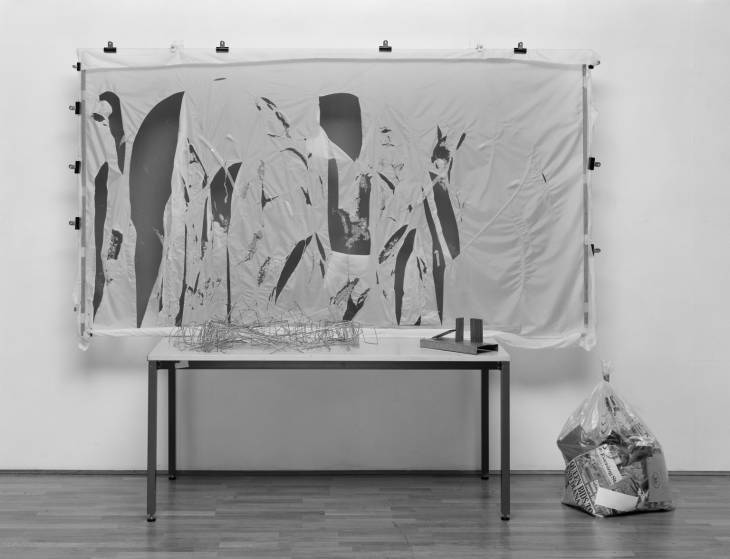
Three distinct narratives inhabit Movement 7, the climax of Slow Going. The first is that of Gustav Metzger's Auto-Destructive Art. Metzger's Recreation of First Public Demonstration is the focal point of this room, and is plainly associated with the annihilation of all that precedes it, especially in reference to Fontana's smaller-scale cuts encountered earlier.
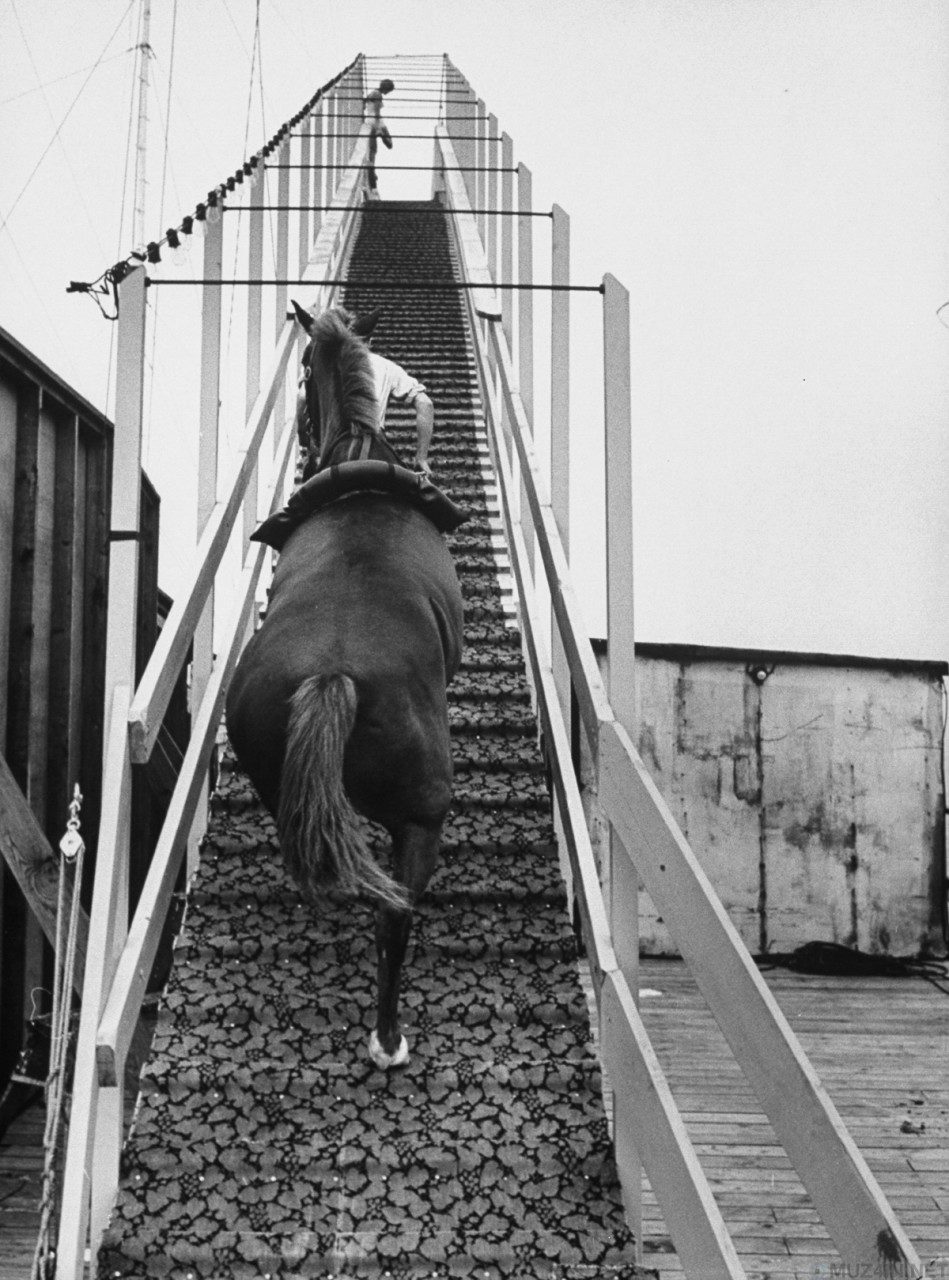
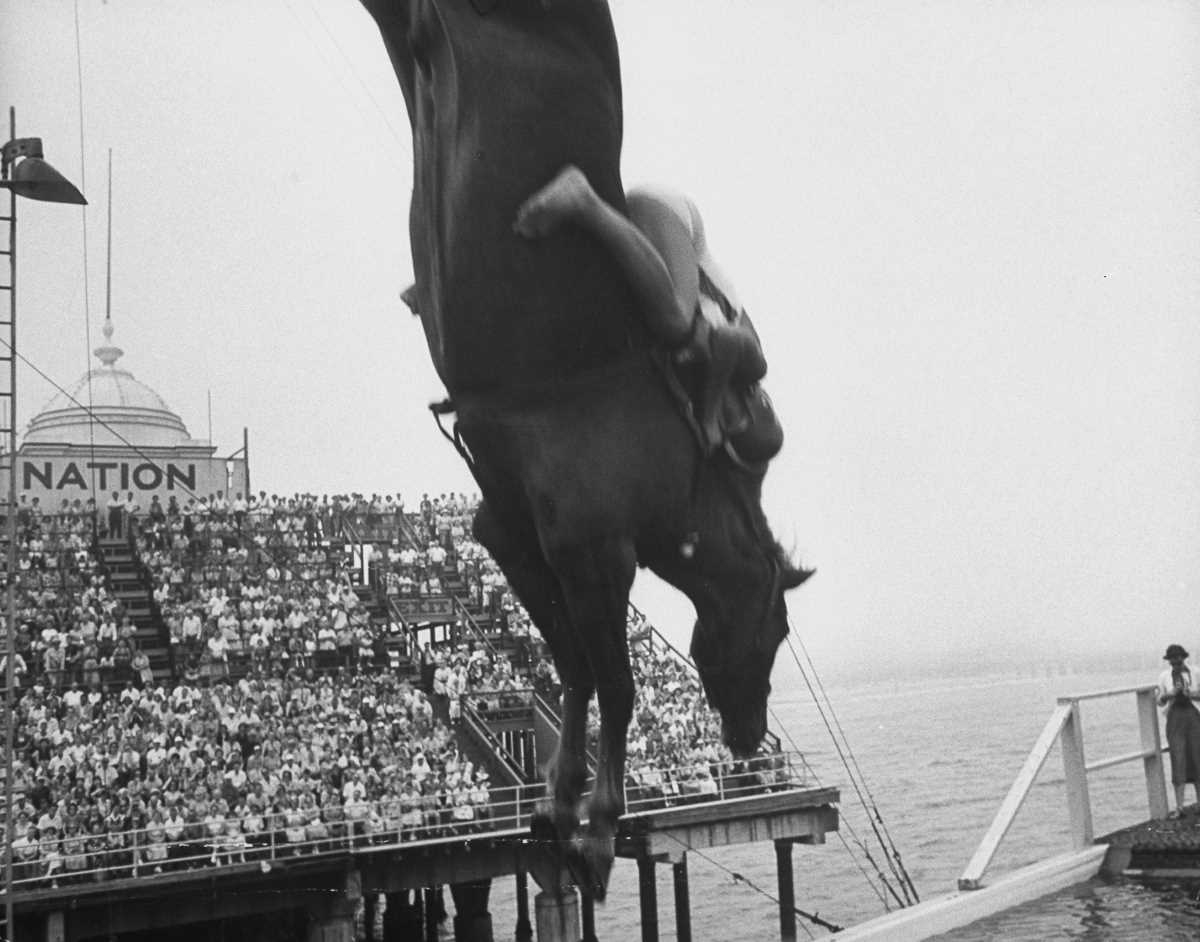
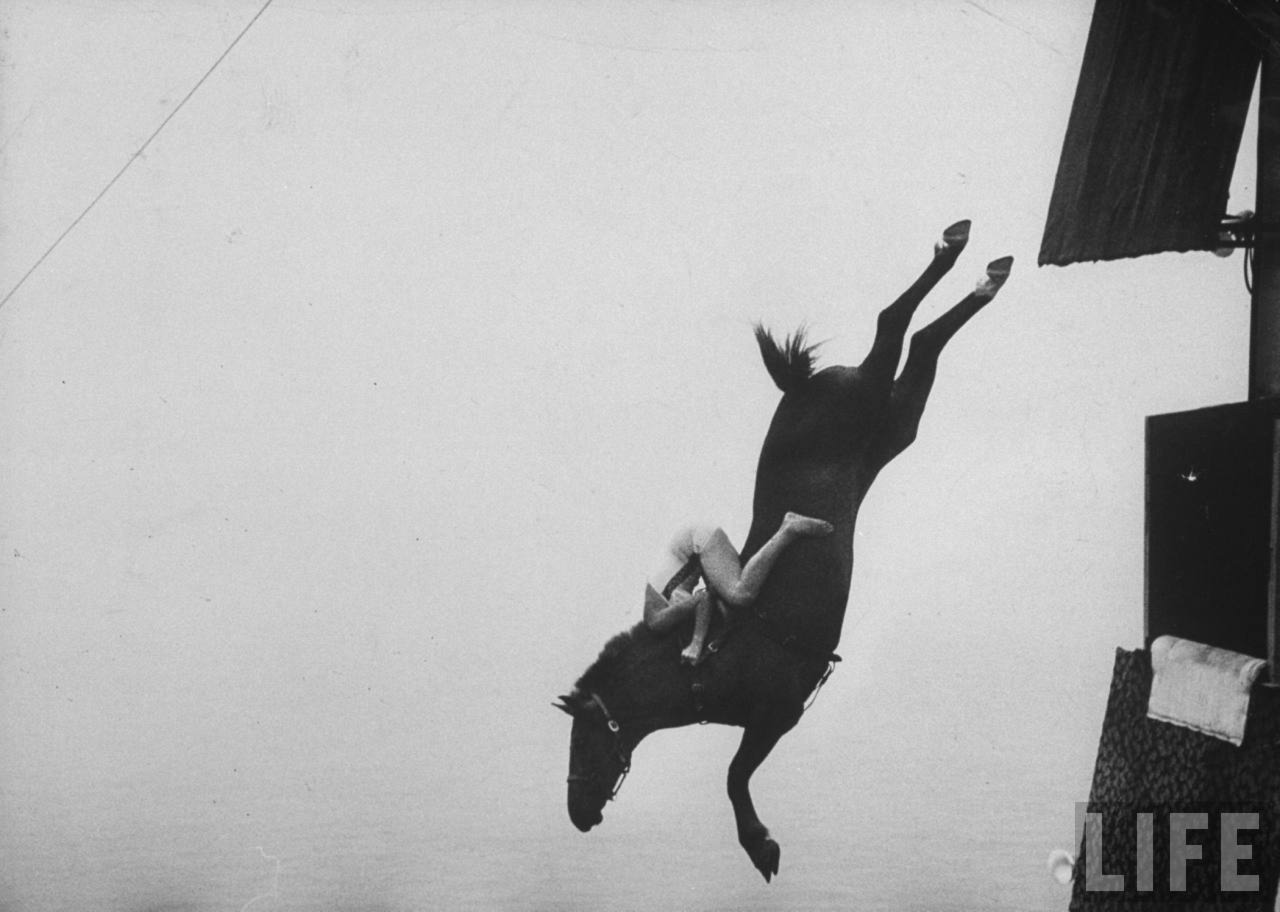
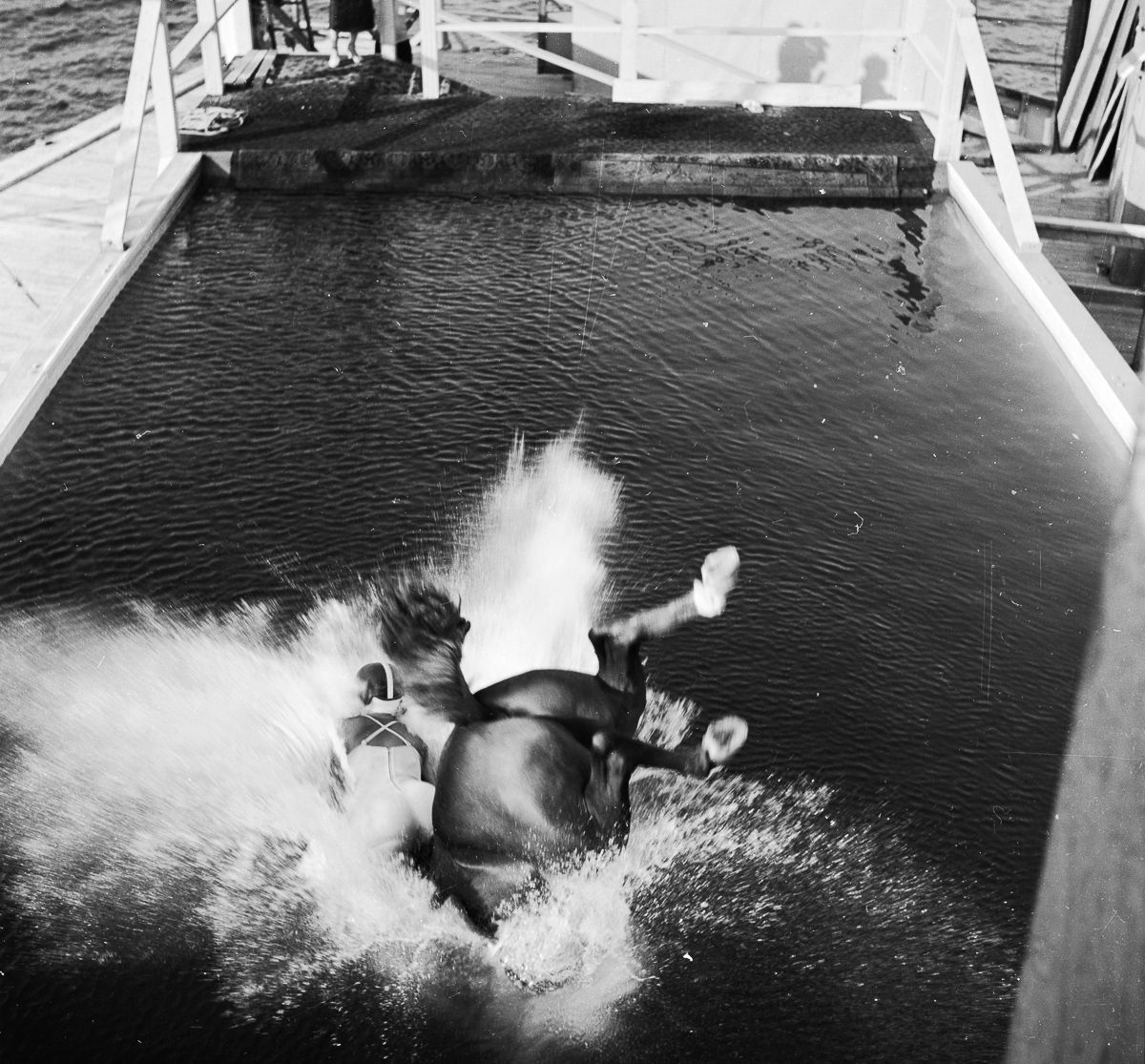
The pace is at once maddeningly fast (one narrative, of unbridled destruction, arises in itself) and unceremoniously negated (Slow Going becomes vacuous in light of its constituent works' destruction). A third narrative arises from a series of documentary images recorded by Peter Stackpole: a horse and its rider leaping from the height of multiple stories into a pool of water. The imagery of the horse, first offered in Muybridge's Animal Locomotion, is also annihilated, finally, as it meets with the water waiting below in the hysterically-paced climax of the series.
Movement 8: Quiet
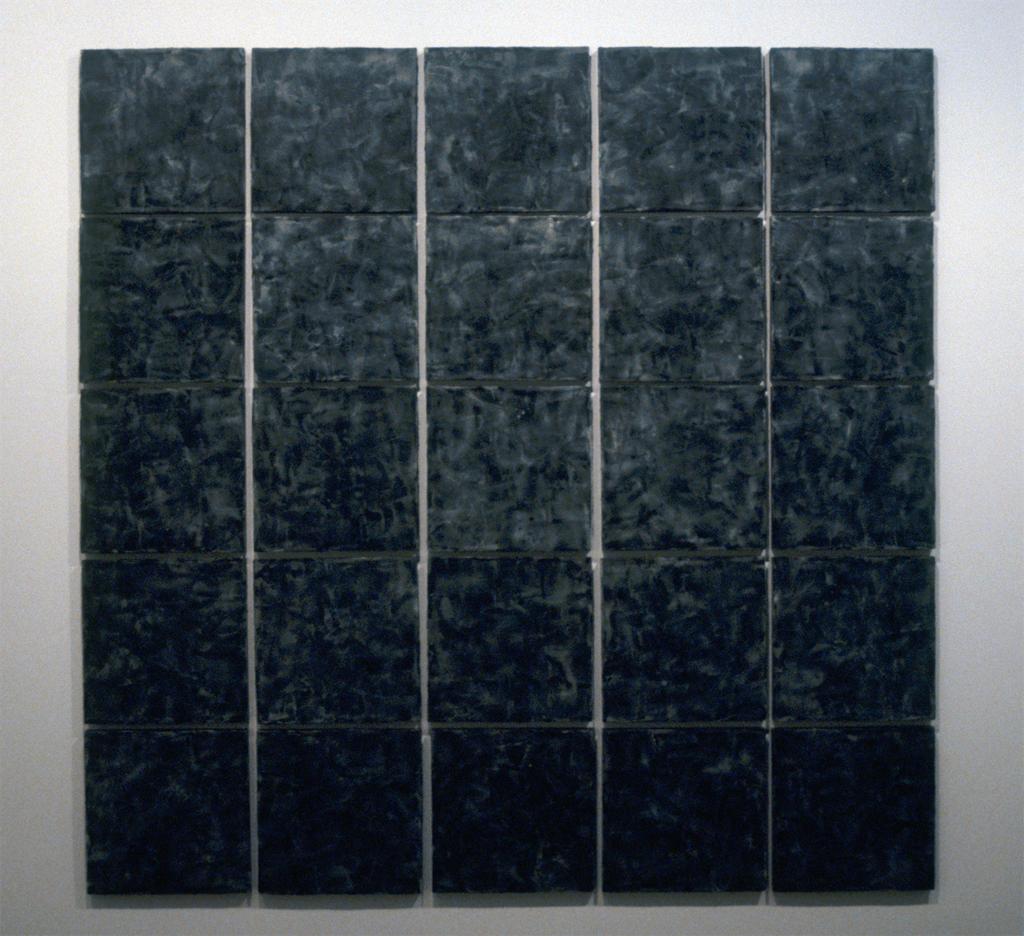
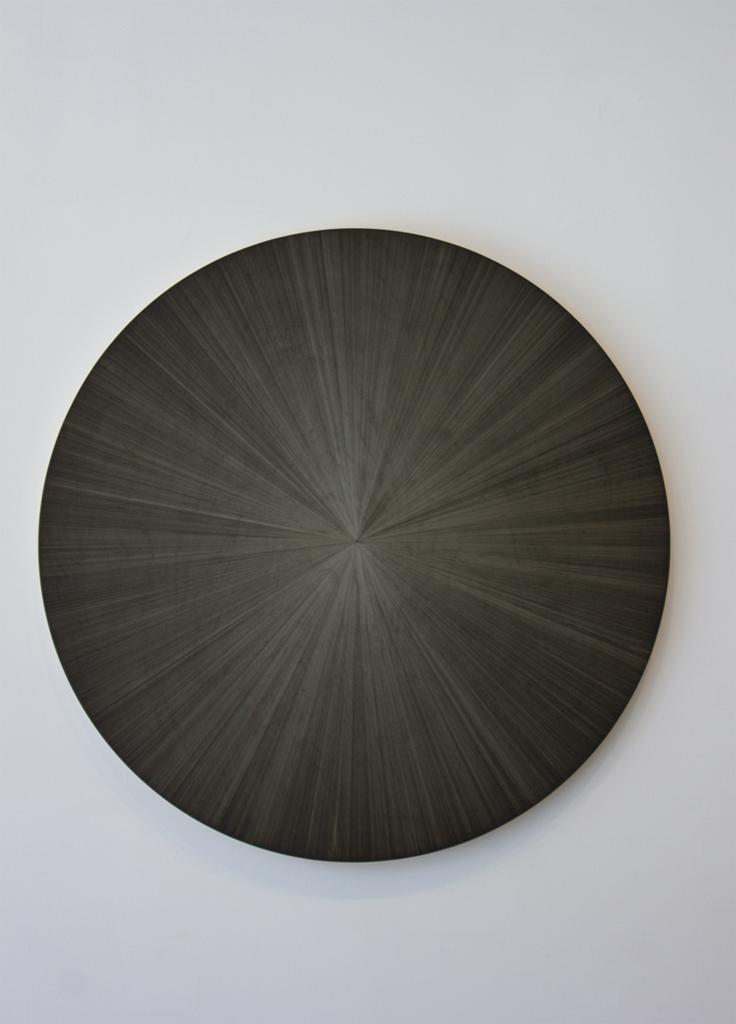
With the meta-narrative of Slow Going (that is, to teach the artistry of pace) reaching its denouement (alongside Metzger's canvas and Stackpole's horse) in Movement 7, Movement 8 draws the curtains with emptiness-facing works by Michele Stuart, Michelle Grabner, and, for one last time, Ansel Adams, that evoke a funereal, closing, almost immaterially slow pace.